Room-by-Room Money Mastery for Your Whole-Home Renovation
Today we dive into budgeting and cost tracking by space in a whole-home renovation, turning complexity into clarity. You will learn how to break costs down room by room, forecast with confidence, avoid overruns, and make timely decisions with transparent logs, practical benchmarks, and field-tested routines that keep every square foot financially accountable.
Map the House, Map the Money
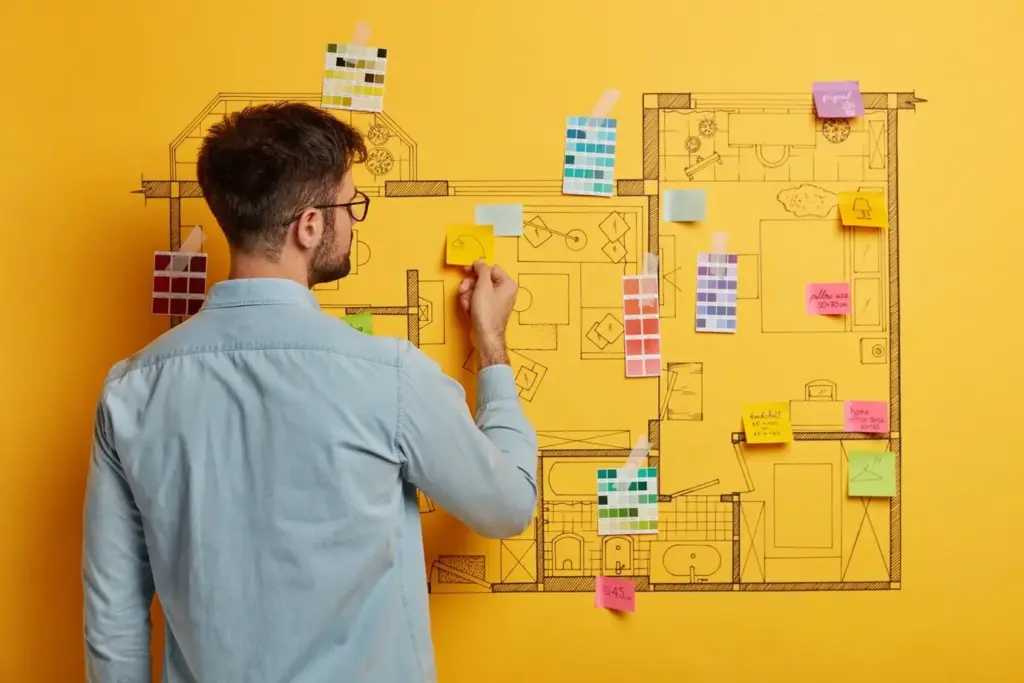
Start by aligning the floor plan with your budget so every room earns its own line, its own contingency, and its own success criteria. Establish realistic cost-per-square-foot ranges, set quality levels by space, and pre-define scope boundaries. This structure prevents fuzzy conversations, surfaces tradeoffs early, and turns your renovation into a series of manageable, trackable mini-projects you can actually steer every week.
Kitchens commonly absorb 15–25% of a full-home renovation, so treat them as a standalone financial project with clear allowances, coded invoices, and category caps. Track cabinetry, appliances, mechanical rerouting, and finishes separately to spot drift quickly. A homeowner we coached caught a creeping cabinetry upgrade by noticing the appliance allowance stayed flat while the finish package ballooned, saving nearly four figures by rebalancing before orders were placed.
Wet rooms hide risk inside walls and under tile. Allocate higher contingency and document waterproofing, ventilation, and fixture rough-ins by exact location. Track tile square footage with waste factors, and verify quantities early. One couple avoided an expensive re-tile after they logged a shower niche size change in their bathroom ledger, prompting the tile setter to adjust pattern counts before cutting, preserving both schedule and cost with a five-minute update.
Circulation areas often seem simple, yet small choices add up across large square footage. Monitor flooring transitions, baseboards, and paint systems by zone so a modest per-foot increase does not multiply into a surprise. When a client upgraded to wider plank flooring, their room-based dashboard instantly showed a corridor overage. By switching only the bedrooms, they kept the visual upgrade where it mattered and held the total under control without sacrificing comfort.

A Practical Room-by-Room Tracking System
Build a simple but rigorous structure: cost codes that mirror the floor plan, a master log with budgets and commitments, and a weekly rhythm to reconcile invoices and forecast to complete. Whether you prefer a spreadsheet or an app, naming conventions and consistent data entry create the visibility to pivot early. The goal is not perfect prediction; it is catching trends while they are still small enough to fix.

Estimating Each Space With Real-World Benchmarks
{{SECTION_SUBTITLE}}
Square Foot vs. Assemblies, Working Together
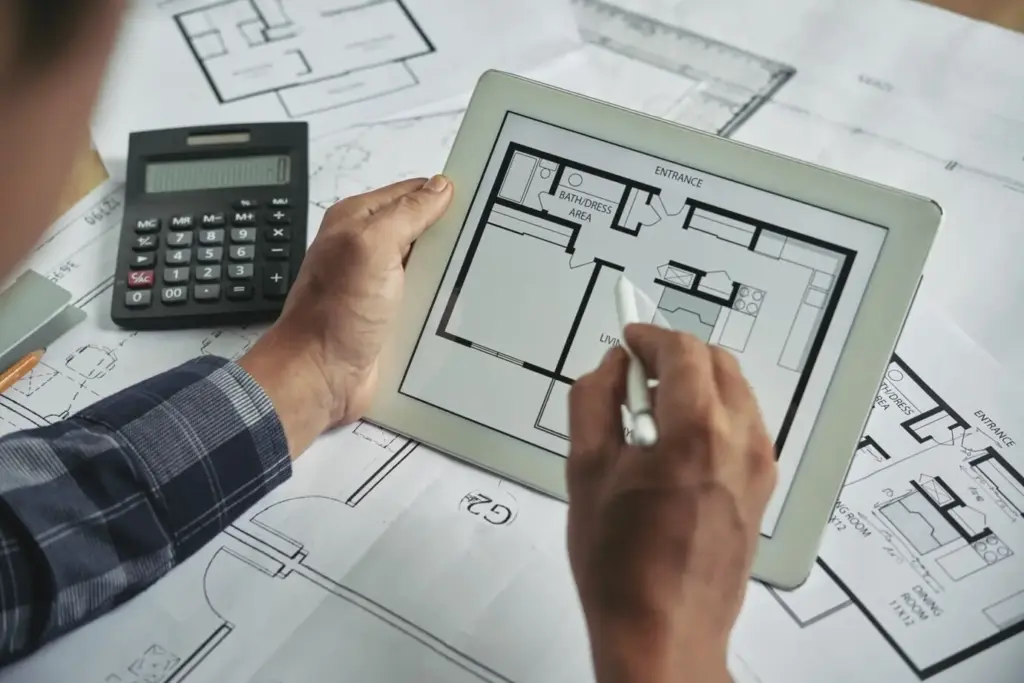
Start with square-foot ranges to frame feasibility, then validate with assemblies: cabinets per linear foot, tile per square foot with waste, plumbing fixture counts, and lighting points. For a powder bath, an assemblies check caught a missing exhaust fan and associated wiring. The square-foot number alone looked fine, but the deeper view revealed necessary scope, preventing a last-minute scramble and protecting the schedule from a disruptive electrical revisit.
Allowances That Behave Like Reality
Set allowances by room for tile, lighting, and hardware using actual price lists, not wishful thinking. Track allowance selections separately from labor so design choices do not hide inside trades. A homeowner raised the lighting allowance after seeing fixture lead times and costs, then trimmed a decorative sconce in a hallway to maintain the kitchen pendants they loved, proving that honest allowances enable smart swaps rather than painful surprises.
Scope Control and Change Orders Without Drama

One-Page Room Briefs That Prevent Chaos
Create concise summaries per room listing dimensions, elevations, outlets, switches, fixture models, and finishes with links. Have everyone initial the brief before work begins. On-site, the carpenter checks the brief, not a chat thread. A hallway outlet count dispute disappeared when the brief showed three exact locations, saving a return visit and a charge. Clarity turns potential blame games into simple confirmations and smooth trust-building moments.
Change Order Triage That Saves Time
Categorize each change by urgency and value. Safety or code compliance gets priority, enhancements await fit checks, discoveries trigger contingency. Require written pricing and impact on both time and money, then approve or decline within a set window. One household used a 24-hour rule; it stopped weekend indecision from becoming Monday delays, and trades appreciated the responsiveness, which in turn earned better scheduling favors later.
Negotiating With Trades, Respectfully and Effectively
Bundle changes by room to reduce mobilization and keep pricing predictable. Ask for alternates that achieve the same look with simpler labor. Share constraints openly and invite suggestions. A tile setter proposed a layout shift that saved hours around a doorway, preserving the desired pattern everywhere else. Because the conversation was collaborative and timely, the team finished on schedule and redirected savings to a better vanity top.
Scheduling Meets Cash Flow, Room by Room
Align payments and procurement with the order in which rooms progress. Milestones should reflect real deliverables: rough-in complete, inspections passed, finishes installed. Track burn rate per space so you do not front-load costs. Lock in long-lead items early, and structure deposits around true production steps. When schedule and cash flow agree, you reduce pressure, negotiate from strength, and make calmer, more confident choices at every turn.
Phasing When You Are Living Through It
Divide the home into zones so you maintain function while work proceeds. A temporary kitchen in the dining room might be worth it if it keeps meal costs down and morale up. Budget per phase, settle closeout items before moving crews, and pre-stage materials. Families that plan phasing deliberately spend less on takeout, reduce rushed purchases, and avoid the domino effects that happen when daily life collides with unfinished spaces.
Long-Lead Procurement Without Panic
Identify doors, windows, specialty fixtures, and appliances that can derail timelines if late. Get quotes early, place deposits aligned to manufacturing, and track promised ship dates in your room logs. One project avoided expedited freight on a soaking tub by ordering at design freeze, then storing it safely until the bathroom was ready. Paying attention to lead times is cheaper than buying your way out after delays materialize.
Weekly Standups That Keep Numbers Moving
Hold a short, consistent meeting with your contractor to review the three-week look-ahead, room variances, and payable approvals. Bring your log, ask for field realities, and adjust forecasts live. This cadence replaced stressful end-of-month reconciliations for one homeowner, who used it to catch a missing credit for returned trim. Small, frequent conversations eliminate surprises and build a rhythm of shared accountability around progress and cash.
Moisture and Movement, The Silent Budget Killers
Bathrooms, basements, and kitchens deserve extra attention to waterproofing, expansion joints, and ventilation. Record flood tests, photograph membranes, and log cure times. A basement project avoided a costly do-over because the ledger noted the slab’s moisture reading; flooring was switched to an appropriate system. When materials can breathe and water is managed, you protect finishes, warranties, and your sanity, keeping dollars where they make the most difference.
Energy Upgrades That Pay for Rooms
Air sealing, insulation, and LED retrofits can be approached room by room during open-wall moments. Track incremental cost and projected savings per space, then prioritize where payback is strongest. A homeowner who sealed attic penetrations and added bath fan timers saw utility bills drop immediately, offsetting a portion of tile upgrades in a year. Small, targeted improvements compound, delivering comfort and budget headroom without grand gestures.
Punchlist and Closeout With Discipline
Create a concise snag list per room and tie retainage to completion of those items. Collect warranties, manuals, and paint codes, then store them with each room’s documents. A tidy closeout avoids return trips that consume remaining contingency. One family found their missing dimmer spec in the room folder, preventing an unnecessary electrician visit. The last five percent is where projects either drift or end beautifully and on budget.
Quality, Risk, and Savings by Space
Quality protects budgets. Create room-specific checklists and verify critical details before they disappear behind drywall or tile. Track test results and photos in your logs. Identify risks early—moisture, movement, access—and plan mitigations. Explore targeted energy upgrades that repay quickly. The best savings often come from well-timed inspections and disciplined closeout, not from squeezing labor. Precision today prevents expensive detective work tomorrow.
People, Stories, and Momentum
Budgets are about humans as much as numbers. Shared visibility reduces stress and sparks better ideas from everyone involved. Celebrate wins by room, learn from misses quickly, and keep the conversation open. We invite you to engage, ask questions, and share your own experiences so future decisions—yours and others’—are sharper, kinder, and more confident through every hallway, kitchen, and bath.
Invite your household and contractor to see the same room-based dashboard and change log each week. Transparency creates alignment, not conflict. One partner spotted a duplicate lighting charge in the living room and flagged it before payment, earning appreciation from the builder. When everyone understands the numbers in plain language, the project becomes collaborative, decisions speed up, and surprises turn into informed choices rather than fights.
In a 1910 home, knob-and-tube wiring and out-of-plumb walls threatened the plan. Because the budget lived room by room, the owners protected bathroom waterproofing by deferring a decorative ceiling in the study. That swap preserved safety and durability while keeping joy where it counted. Old houses teach humility and the value of flexible structures that allow smart, timely reallocations without panic or regret.
Tell us which room is testing your patience or your budget, and what has worked for you so far. Subscribe for deeper templates, including a room-coded cost log and dashboard starter. Comment with your toughest decision, and we will feature solutions in future stories. Your lived experience helps others avoid pitfalls and inspires better, calmer renovations guided by clear numbers and shared wisdom.